
Four Years After Russia's Invasion of Ukraine, Global Crises Expose Critical Civil Defence Gaps, Warns Fortivus CEO
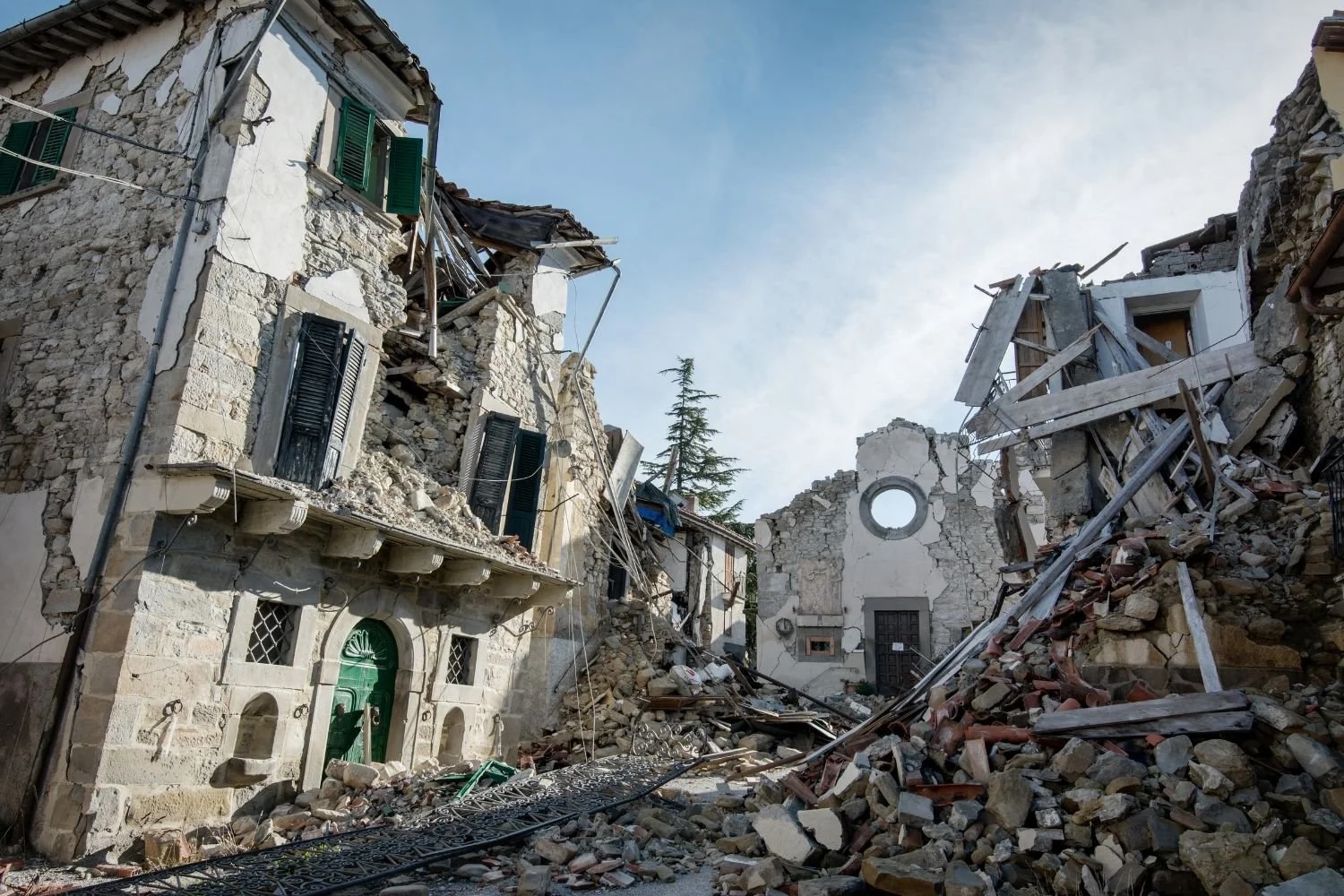
Civil defence and resilience are lacking in conflict zones

Fortivus logo
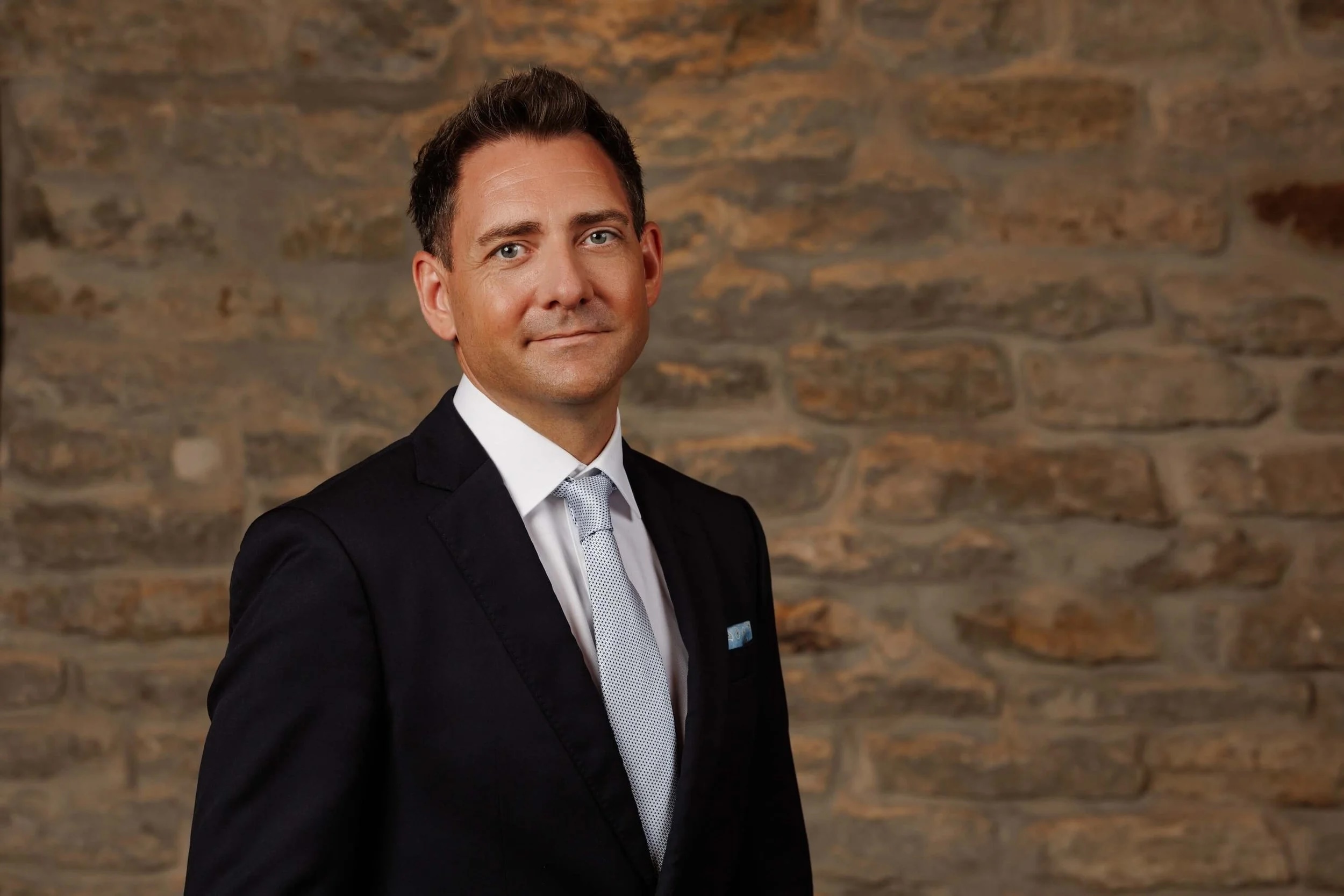
David Bailey, Fortivus CEO
Resilience company CEO warns civil defence gaps exposed by Ukraine conflict, Gaza crisis, pandemics & climate disasters leave populations critically vulnerable.
The anniversary comes as global conflicts multiply—from Ukraine to Gaza, escalating tensions with Iran, and ongoing humanitarian emergencies—whilst governments worldwide struggle to protect civilian populations. NATO allies have committed €10 billion to civil resilience over the next four years, yet procurement delays continue to leave institutions unable to translate policy into deployed infrastructure.
Lessons from Multiple Crises
"Four years ago, the world watched as Ukrainian civilians became displaced overnight and critical infrastructure became strategic targets," says Bailey. "But Ukraine isn't an isolated case. We've seen similar patterns in Gaza, where civilian infrastructure has been devastated. We've watched pandemic response expose gaps in emergency preparedness. We're seeing climate disasters displace populations with increasing frequency. The common thread? Civil defence infrastructure unable to protect populations when crises strike."
The ongoing conflicts and disasters have highlighted critical vulnerabilities worldwide: inadequate shelter infrastructure, outdated emergency power systems, fragmented water and communications networks, and procurement processes that take months or years whilst crises unfold in days.
Estonia's Frontline Perspective
Operating from Tallinn, Fortivus brings a unique perspective shaped by Estonia's position as a NATO frontline state bordering Russia.
"Estonia has invested in civil defence not because we're pessimistic, but because we're pragmatic," Bailey explains. "We've seen what happens when nations aren't ready. The Ukraine conflict reinforced what we already knew, but the lesson applies globally—whether it's conflict in the Middle East, pandemic response, or climate adaptation. Civil defence isn't a luxury—it's a necessity."
Estonia maintains one of Europe's most comprehensive civil defence systems, with nationwide shelter networks, emergency preparedness training, and resilient critical infrastructure—lessons other nations are now urgently trying to learn.
Why Civil Defence Matters Globally
Four years of conflict in Ukraine, ongoing humanitarian crises in Gaza, escalating tensions with Iran, and the lingering impact of global pandemics have demonstrated that modern threats don't distinguish between military and civilian infrastructure.
"Whether it's war, climate disaster, or pandemic, the pattern is the same," says Bailey, who holds an MSc in Globalisation and Development with a focus on human security and humanitarian intervention. "Power grids fail. Water systems collapse. Hospitals become overwhelmed. Populations become displaced. Preparedness buys time—the difference between having emergency infrastructure ready and needing to build it under duress can be measured in lives saved."
From Academic Understanding to Practical Action
Bailey's background spans over 15 years in digital strategy, AI-driven marketing, and international growth, combined with academic expertise in conflict and humanitarian response. He has launched several businesses and worked with NGOs, bringing both commercial acumen and a deep understanding of crisis dynamics to Fortivus' mission.
"My academic work focused on human security and humanitarian intervention—understanding why crises happen and how institutions respond," Bailey notes. "What became clear is that the gap between political commitment and operational readiness consistently costs lives. Fortivus exists to close that gap."
The company was founded in 2025 in response to civil defence failures exposed by the Ukraine war, the Gaza war, the pandemic response, and the accelerating climate crisis worldwide.
A Different Approach to Civil Defence
Unlike traditional defence contractors focused on weapons systems, Fortivus specialises exclusively in civilian protection: modular shelters, emergency power systems, water purification, communications equipment, and protective infrastructure designed for rapid deployment.
"This isn't about profiting from conflict or disaster—it's about ensuring the lessons we've learned from Ukraine, Gaza, COVID-19, and countless climate emergencies actually translate into action," Bailey says. "We exist to bridge the gap between government commitments and operational readiness."
The company provides resilience and preparedness services to government ministries, municipalities, humanitarian organisations, and critical infrastructure operators worldwide, with particular focus on several industries needing resilience capabilities, including healthcare, energy, transportation, and public administration.
The Global Preparedness Gap Persists
Despite growing awareness—from NATO's commitment to allocate 5% of GDP to defence (with 1.5% for civil resilience) to increased humanitarian funding—implementation remains slow globally.
"Governments are finally treating preparedness as policy, not aspiration," says Bailey. "The question is whether we can actually deliver. NATO allies have committed billions. What's missing is the procurement infrastructure to turn commitments into deployed solutions before the next crisis hits."
Denmark is investing €6 billion annually in infrastructure protection. Finland, Germany, and the Baltic states are fast-tracking the procurement of dual-use technology. Yet traditional procurement processes remain ill-suited to the urgency preparedness demands.
Multiple Threats, One Solution
"Whether it's conflict, climate, or pandemic, the infrastructure needs are remarkably similar," Bailey explains. "Displaced populations need shelter. Communities need emergency power and clean water. Healthcare systems need backup capacity. The threats vary, but the preparedness solutions are universal."
This recognition informs Fortivus' global approach, serving European civil defence needs, Middle Eastern humanitarian response, and Global South climate adaptation with the same core infrastructure solutions.
What Preparedness Really Means
"Four years of war in Ukraine, ongoing humanitarian crises in Gaza, the lessons of COVID-19, accelerating climate disasters—they've all clarified something important: preparedness isn't about fear—it's about responsibility," Bailey reflects. "It's governments ensuring populations have access to shelter when infrastructure fails. It's accepting that preparing for the worst isn't pessimism—it's leadership."
As the Ukraine conflict enters its fifth year with no resolution in sight, conflicts continue in the Middle East, tensions with Iran escalate, and climate disasters accelerate, the lessons for global civil defence grow more urgent.
"The past four years have shown us that civil defence capabilities worldwide were built for a world that no longer exists," says Bailey. "The question isn't whether we need to rebuild them—it's whether we'll do it before the next crisis, or during it. At Fortivus, we're working to ensure the answer is 'before.'"
David Bailey
Fortivus
media@fortivus.com
Visit us on social media:
LinkedIn
Instagram
Facebook
X
Legal Disclaimer:
EIN Presswire provides this news content "as is" without warranty of any kind. We do not accept any responsibility or liability for the accuracy, content, images, videos, licenses, completeness, legality, or reliability of the information contained in this article. If you have any complaints or copyright issues related to this article, kindly contact the author above.
